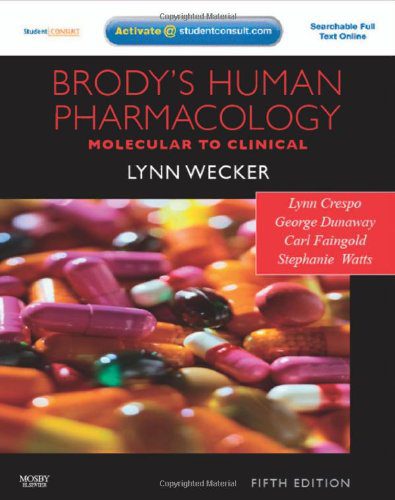
Description
Test Bank For Brody’s Human Pharmacology, 5th Edition by Lynn Crespo
ou know what’s weird? Pharmacology isn’t hard because it’s complicated. It’s hard because it’s endless.
Drug classes blur together. Side effects pile up. And exam questions? They love tricking you.
Personally, I found it kinda sketchy how lectures made sense, but exams felt like they came from another planet. That’s where targeted practice actually matters.
How the Test Bank for Brody’s Human Pharmacology Helps
This isn’t about shortcuts. It’s about clarity.
The Test Bank for Brody’s Human Pharmacology, 5th Edition, gives you realistic questions that mirror what shows up on exams. And once you see those patterns, things start clicking.
Here’s what makes it useful:
-
Practice questions that match exam difficulty
-
Focus on drug actions, interactions, and safety
-
Helps connect theory with real-world use
-
Builds confidence before quizzes and finals
-
Saves time when you’re already overwhelmed
And guess what? Confidence changes everything.
Table of Contents
Part I: General Principles, Lynn Wecker
1 Pharmacodynamics: Receptors and Concentration-Response Relationships
2 Pharmacokinetics: Absorption, Distribution, Metabolism, and Elimination
3 Clinical Pharmacokinetics and Issues in Therapeutics
4 Drug Development, Regulation and Prescription Writing
5 Gene Therapy and Emerging Molecular Therapies
6 Antibodies and Biological Products
7 Herbals and Natural Products
8 Principles of Toxicology
Part II: Drugs Affecting the Peripheral Nervous System, Skeletal and Smooth Muscle, Carl Faingold
9 Introduction to the Autonomic Nervous System
10 Drugs Affecting the Parasympathetic Nervous System and Autonomic Ganglia
11 Drugs Affecting the Sympathetic Nervous System
12 Skeletal Muscle Relaxants
13 Local Anesthetics
14 Histamine and Antihistamines
15 Eicosanoids
16 Drugs to Treat Asthma and Chronic Obstructive Pulmonary Disease
17 Drugs Affecting Uterine Motility
18 Drugs Affecting the Gastrointestinal System
Part III: Drugs Affecting the Cardiovascular, Renal and Circulatory Systems, Stephanie Watts
19 Introduction to the Regulation of Cardiovascular Function
20 Antihypertensive Drugs
21 Diuretic Drugs
22 Antiarrhythmic Drugs
23 Drugs to Treat Heart Failure
24 Vasodilators and Nitric Oxide Synthase
25 Lipid-Lowering Drugs and Atherosclerosis
26 Antithrombotic Drugs
Part IV: Drugs Affecting the Central Nervous System, Lynn Wecker
27 Introduction to the Central Nervous System
28 Treatment of Parkinson’s and Alzheimer’s Diseases
29 Treatment of Psychotic Disorders
30 Treatment of Affective Disorders
31 Treatment of Anxiety and Insomnia
32 Ethanol, Other Alcohols and Drugs for Alcohol Dependence
33 Treatment of Obesity and Eating Disorders
34 Treatment of Seizure Disorders
35 General Anesthetics
36 Drugs to Control Pain
37 Drugs and Substance Abuse, Addiction and Treatment
Part V: Drugs Affecting Endocrine Systems, George Dunaway
38 Introduction to Endocrine Pharmacology and Hormones of the Hypothalamus and Pituitary Gland
39 Adrenocorticosteroids
40 Estrogens and Progestins
41 Androgens and Antiandrogens
42 Thyroid and Antithyroid Drugs
43 Insulin and Drugs Used in the Therapy of Diabetes Mellitus
44 Calcium-Regulating Hormones and Other Agents Affecting Bone
Part VI: Chemotherapy of Invading Organisms, Lynn Crespo
45 Principles of Antimicrobial Use
46 Bacterial Cell Wall Synthesis Inhibitors
47 Inhibitors of Bacterial Ribosomal Actions
48 Bacterial Folate Antagonists, Fluoroquinolones, and Other Antibacterial Agents
49 Antimycobacterial Agents
50 Antifungal Agents
51 Antiviral Agents
52 Drugs to Treat Parasitic Infections
Part VII: Chemotherapy of Neoplastic Diseases, Lynn Crespo
53 Principles of Antineoplastic Drug Use
54 Mechanisms of Action of Antineoplastic Drugs
55 Adjuvant Antineoplastic Drugs


Reviews
There are no reviews yet.