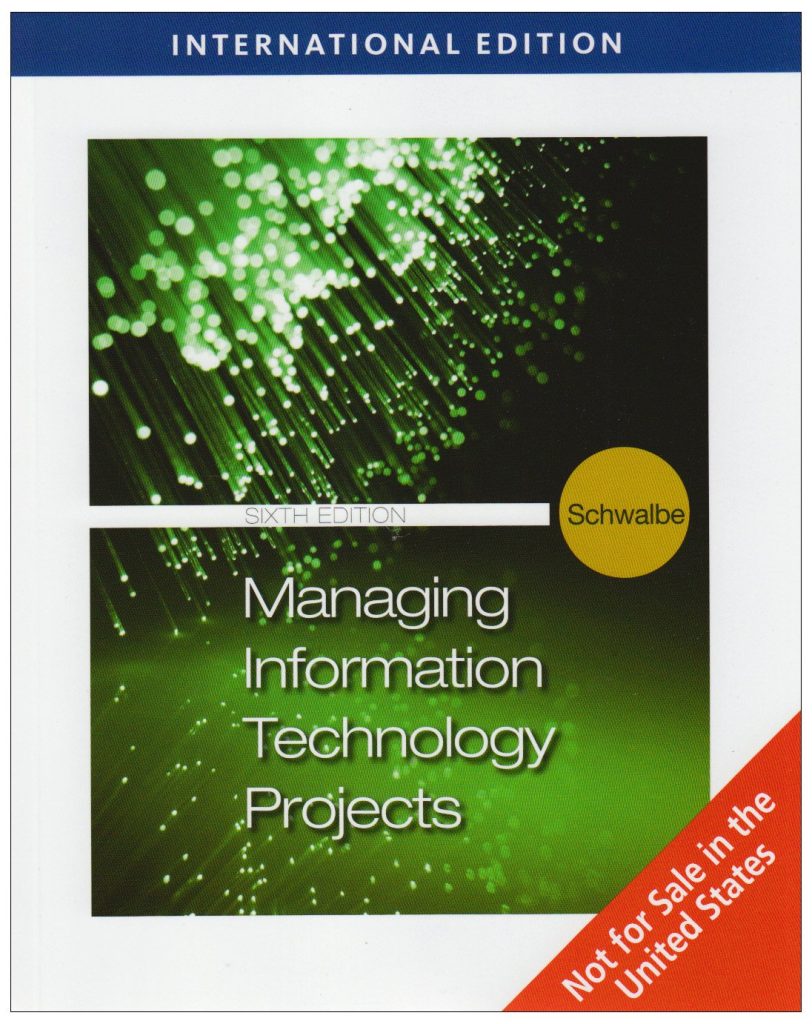
Description
Test Bank for Managing Information Technology Projects, International edition 6Th Edition
If you’re studying information technology, project management can get confusing pretty fast. You’ve got project plans, teams, budgets, risks, deadlines, technology, and a whole bunch of terms to remember.
And then comes the exam.
That’s where a Test Bank for Managing Information Technology Projects, International Edition 6th Edition can become a useful study tool. Instead of reading the same chapter again and hoping everything sticks, you can use practice questions to check what you really know.
Honestly, I’ve been there. Reading notes can feel productive, but sometimes you only find out what you forgot when you try to answer a question.
That’s why practice matters.
What Is a Test Bank for Managing Information Technology Projects 6th Edition?
A test bank is a collection of questions based on a textbook.
For Managing Information Technology Projects, International Edition, 6th Edition, these questions can help students review important ideas from the book and prepare for exams.
Depending on the resource, questions may include:
- Multiple-choice questions
- True or false questions
- Short-answer questions
- Concept questions
- Project management questions
- Problem-solving questions
The main goal is simple.
You want to use the questions to see what you understand and what you still need to study.
That’s it.
No need to make studying more complicated than it already is.
Why Use Managing Information Technology Projects 6th Edition Practice Questions?
Information technology project management has a lot of moving parts.
You may understand one topic very well but struggle with another.
For example, you might understand project planning but have trouble with risk management. Or maybe you understand project teams but forget the steps used to manage a project schedule.
Practice questions can help you find those gaps.
They can help you:
- Review key ideas
- Remember important terms
- Practice before an exam
- Find weak topics
- Test your memory
- Understand difficult concepts
- Feel more prepared
And here’s the thing.
Getting a question wrong isn’t always bad.
Actually, it can be helpful.
A wrong answer tells you, “Hey, look at this topic again.”
That’s useful information.
How to Study With a Test Bank for Information Technology Projects
Let’s get this out of the way first.
Don’t just memorize the answers.
That might feel like a shortcut, but it usually doesn’t help much when the wording changes on your real exam.
Instead, use the questions to test your knowledge.
Step 1: Read Your Chapter First
Start with your textbook, class notes, or study guide.
Read the section you need to learn.
Don’t worry about remembering every single word.
Focus on the main ideas.
Ask yourself:
What is this chapter trying to teach me?
That’s a much better starting point.
Step 2: Try the Practice Questions
Now answer the questions without looking at the answers.
Take your time.
If you don’t know something, that’s okay.
Put a mark beside it and keep going.
Don’t spend ten minutes fighting with one question.
We’ve all been there.
It doesn’t end well.
Step 3: Check Your Answers
After you finish, check your answers.
Look at both the questions you got right and the ones you missed.
A correct answer is good.
But a wrong answer can teach you even more.
Step 4: Review Your Mistakes
Go back to your textbook or notes.
Find the topic connected to the question you missed.
Read it again.
Then try to explain the idea using simple words.
If you can explain it without looking at your notes, you’re probably getting it.
Important Topics in IT Project Management
When studying for an information technology project management exam, there are several areas you may need to understand.
Your teacher’s study guide should always come first, but these topics can be useful to review.
Project Planning
Project planning is a big part of project management.
You need to understand what a project needs, what must be done, who will do it, and when the work should happen.
A good plan gives a project direction.
Without one?
Things can get messy very quickly.
Project Scope
Scope tells you what the project includes.
It also helps define what the project does not include.
This sounds simple, but scope problems can cause real trouble.
If a project keeps growing without a clear plan, the team may run out of time or money.
That’s why understanding scope is important.
Project Scheduling
Every project has tasks.
Those tasks need to happen at certain times.
Project scheduling helps teams decide when work should start and finish.
You may need to understand:
- Project activities
- Task order
- Start and finish dates
- Dependencies
- Milestones
- Deadlines
These ideas often connect with each other, so don’t study them as separate words only.
Understand how they work together.
Managing Information Technology Project Risks
Risk management is another topic worth paying attention to.
Every project has risks.
A system could fail.
A deadline could change.
A team member could leave.
Costs could increase.
A customer could change the project requirements.
You can’t always stop a risk from happening.
But you can plan for it.
What Is a Project Risk?
A project risk is something that may happen and could affect the project.
It might have a good effect or a bad effect, but project management often focuses heavily on risks that could cause problems.
A team can ask:
- What could go wrong?
- How likely is it?
- How serious would it be?
- What can we do about it?
- Who should handle it?
Those questions can help a team prepare.
Why Project Teams Matter
Technology projects aren’t completed by one person most of the time.
They usually involve a team.
And people can be complicated.
Different team members may have different skills, ideas, work styles, and goals.
Good project management means knowing how to work with people as well as technology.
You may need to understand topics such as:
- Team roles
- Communication
- Leadership
- Conflict
- Motivation
- Collaboration
- Responsibility
Honestly, the people side of project management can sometimes be harder than the technical side.
A perfect project plan doesn’t help much if nobody communicates.
Communication in IT Project Management
Communication is one of those topics that sounds easy.
Everyone knows how to communicate, right?
Well… sort of.
A project team needs the right information at the right time.
If a developer doesn’t know about a requirement change, problems can happen.
If a manager doesn’t know that a task is behind schedule, the project may fall behind even more.
Good communication helps everyone understand:
- What needs to happen
- Who is responsible
- When work is due
- What problems exist
- What has changed
- What decisions have been made
When studying this topic, try to think about real project examples.
That can make the ideas easier to remember.
Reviews
There are no reviews yet.